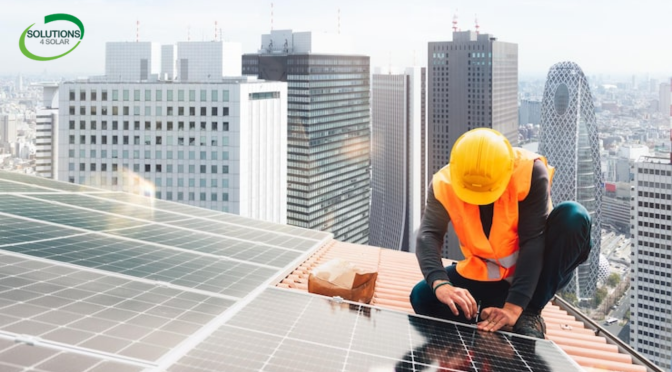
The growing urban centres in and around the big cities, multi-storey apartments as well as high-rise complexes are becoming increasingly abundant. While solar energy has found its way onto a number of rooftops of Australian commercial and domestic households, installation of solar batteries in multi-storey buildings demands a unique set of technical and structural as well as regulatory challenges. Let us on this page explore the key challenges that the technicians have to overcome to ensure that these processes are a cakewalk.
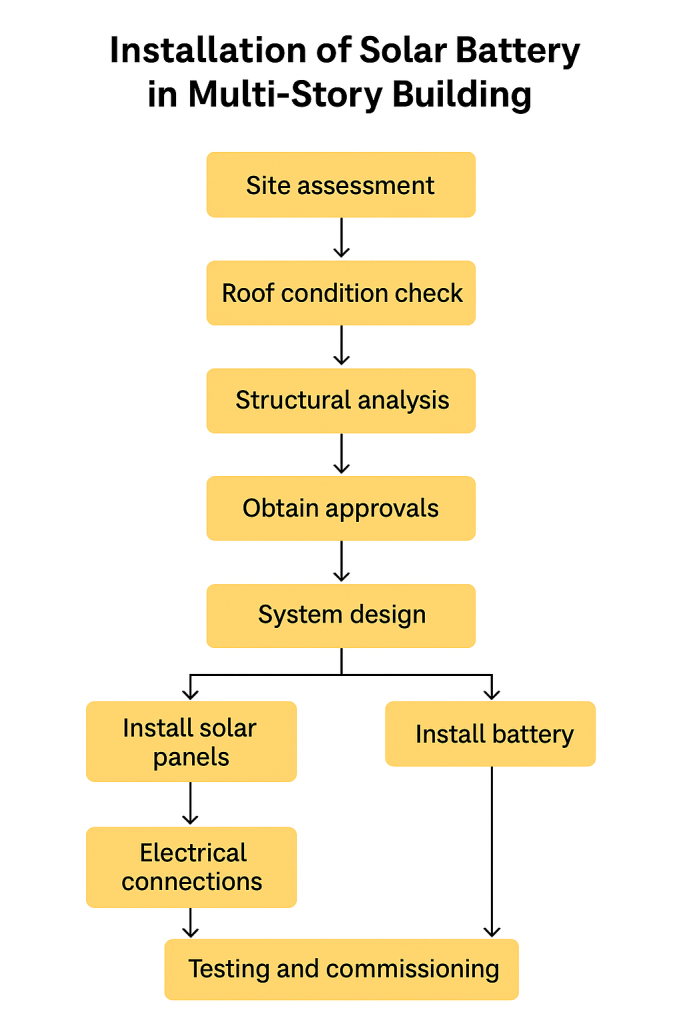
Limitation of Space and Structural Constraints
One of the biggest hurdles of solar battery installation in Cranbourne East apartment complexes is space! Unlike the single and detached homes, apartment complexes generally feature limited rooftop areas shared by dozens of units. Therefore, fitting the solar panels along with the batteries is quite a task. It requires meticulous planning.
Moreover, the structural capacity of the roof or the utility areas might not support the additional weight of multiple battery systems. That’s the reason engineers who are into solar battery installation in Mickleham or anywhere else must ensure that the building can handle the load and comply with the Australian standards, such as AS/NZS 1170 for structural design.
Complex Ownership and Strata Approval
Installation of solar batteries in apartments doesn’t just require technical expertise. They also demand administrative patience along with meticulous precision. Every single common area, which may include rooftops, basements, or switchboards, usually are included under the strata ownership.
This implies, before the start of any installation, the project has to be approved by the owners’ corporation and the majority of residents living in the apartment complex. Negotiations over cost-sharing, energy distribution, and long-term maintenance responsibilities can cause delays or even stop installations. Thus, experts offering installation of residential solar battery storage in Mickleham along with the panels have to be competent enough to overcome all these hurdles.
Confirming Electrical Layouts And Energy Distribution
Multi-storey buildings, both residential and commercial, come up with shared electrical infrastructure. This makes setting up individual unit connections pretty challenging. Typically, one main switchboard, generally located in the basement, supplies the power to all the floors.
Therefore, modifying this system to accommodate solar batteries is undoubtedly a complicated task.
Only certified solar battery installers in Cranbourne East are able to make the necessary alterations. To ensure access to uninterrupted and fair energy, technicians install sub-metering systems or centralised battery storage, which is then shared amongst the residents of various floors.
These setups demand unparalleled precision and advanced electrical planning, along with compliance with the Australian energy safety regulations. Again, it is up to the experts to follow all these strictures and come up with a flawless installation of energy-efficient home solar systems in Cranbourne East.
Safety and Fire Compliance Issues
Safety is undoubtedly a critical consideration, particularly when it comes to using lithium-ion batteries. In a high-rise environment, installation of battery systems indoors or in confined utility rooms increases the risk of accumulation of heat or fire hazards.
Australian standards like AS/NZS 5139 strictly govern where and how batteries can be installed, specifying the needs of clearances, ventilation, and isolation. That’s the reason, experts offering installation of residential and commercial solar battery storage in Mickleham or elsewhere have to overcome this challenge and ensure that all these conditions are met meticulously, more so in older and compact buildings.
Limited Accessibility for Maintenance and Upgrades
Once installed, these solar batteries would require periodic servicing. This is needed to ensure performance and safety. In commercial multi-storey settings, accessing battery units, more so, if placed in basements, service rooms, or on rooftops, can be pretty difficult. This makes installation of commercial solar battery storage in Cranbourne East a difficult task, which can only and only be conducted by the best technicians.
This restricted accessibility increases maintenance costs apart from complicating the future system upgrades and replacements with more advanced batteries, with the advancement of technology. However, in their pursuit to install energy-efficient home solar systems in Mickleham like elsewhere, the installation experts would overcome these challenges using all their expertise and experience.
Conclusion
Installing residential solar battery storage in Cranbourne East is no easy task. It requires a delicate balance of engineering precision, compliance with safety codes, and community cooperation. However, as Australia continues to pursue greener urban living, innovative solutions such as centralised battery hubs and smart grid integration are paving the way for a more sustainable future, even in the tallest buildings.
So if you are to have a solar system and battery storage system installed at any multi-stotied residential or commercial building, you must hire the best in the business. What better name can you opt for, than Solutions4Solar? Call us at 1300 499 708 to set up an appointment or write to us stating your needs and asking for a free online quote.
FAQ
Can I add a battery to my existing solar panel system?
In most cases, yes, you can. This is known as an AC-coupled battery system. However, the compatibility depends on your existing inverter. Sometimes, it may require adding a dedicated battery inverter or, in some cases, upgrading your entire system for optimal performance and safety.
What is the best solar battery brand?
There is no single "best" brand for everyone, as it depends on your budget, capacity needs, and desired features. We highlight reputable brands known for their quality and reliability in the Australian market. It's crucial to choose a battery with a strong warranty and good local support.
What size solar battery do I need?
The right size depends on your household's daily energy consumption and your goal (e.g., backup power for essential loads or maximising self-consumption). A key metric to look at is your "evening energy usage," as this is when you'll primarily draw from the battery. A professional installer will analyse your electricity bills to recommend the ideal capacity.
How long do solar batteries last, and what is the warranty?
Most quality solar batteries are designed to last between 10 to 15 years. Their warranty is typically defined by two metrics: a years-based warranty (e.g., 10 years) and an end-of-warranty throughput or capacity retention (e.g., 70% of original capacity remaining after 10 years).
Will a solar battery power my entire home during a blackout?
This depends on the battery and inverter system you install. Many modern battery systems offer blackout protection, but they are often designed to power a dedicated "essential loads" circuit (e.g., lights, fridge, routers) rather than the entire house. This is to conserve energy and extend the backup duration. You must confirm this capability with your installer.
What is the difference between an AC-coupled and a DC-coupled battery?
- AC-Coupled: The battery has its own inverter and connects to the AC side of your electrical system. This is the most common and flexible option for retrofitting to an existing solar system.
- DC-Coupled: The battery connects to the DC side of the solar system, sharing an inverter with the solar panels. This is often more efficient but is typically installed as part of a new, integrated solar and battery system.
How much can I save with a solar battery?
Savings depend on your electricity tariffs, consumption patterns, and the size of your system. The primary saving comes from using your stored solar energy in the evening, avoiding buying expensive grid electricity. With rising feed-in tariffs and peak usage charges, a battery can increase your self-sufficiency from around 30-40% with solar alone to 60-80% or more.
Is my home suitable for a solar battery?
Suitability is based on a few key factors:
- You have or are getting a solar panel system.
- You have adequate, shaded, and well-ventilated space for the battery unit (usually a garage, laundry, or external wall).
- Your switchboard is modern and compliant to handle the new technology safely.
A qualified installer from a company will conduct a site assessment to confirm your home's suitability.