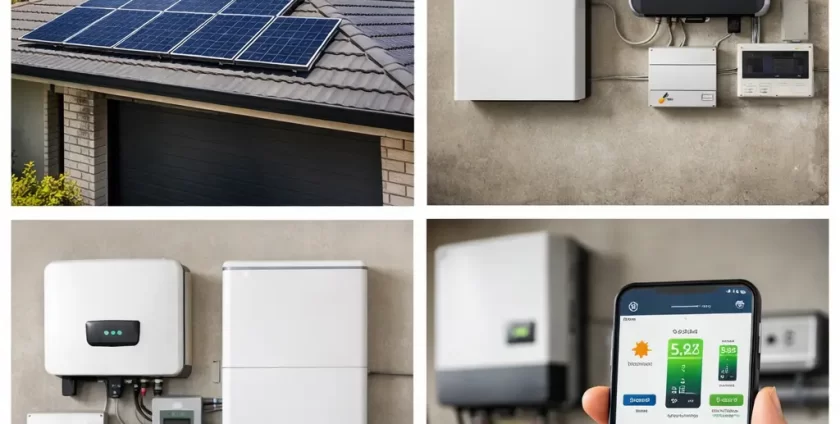
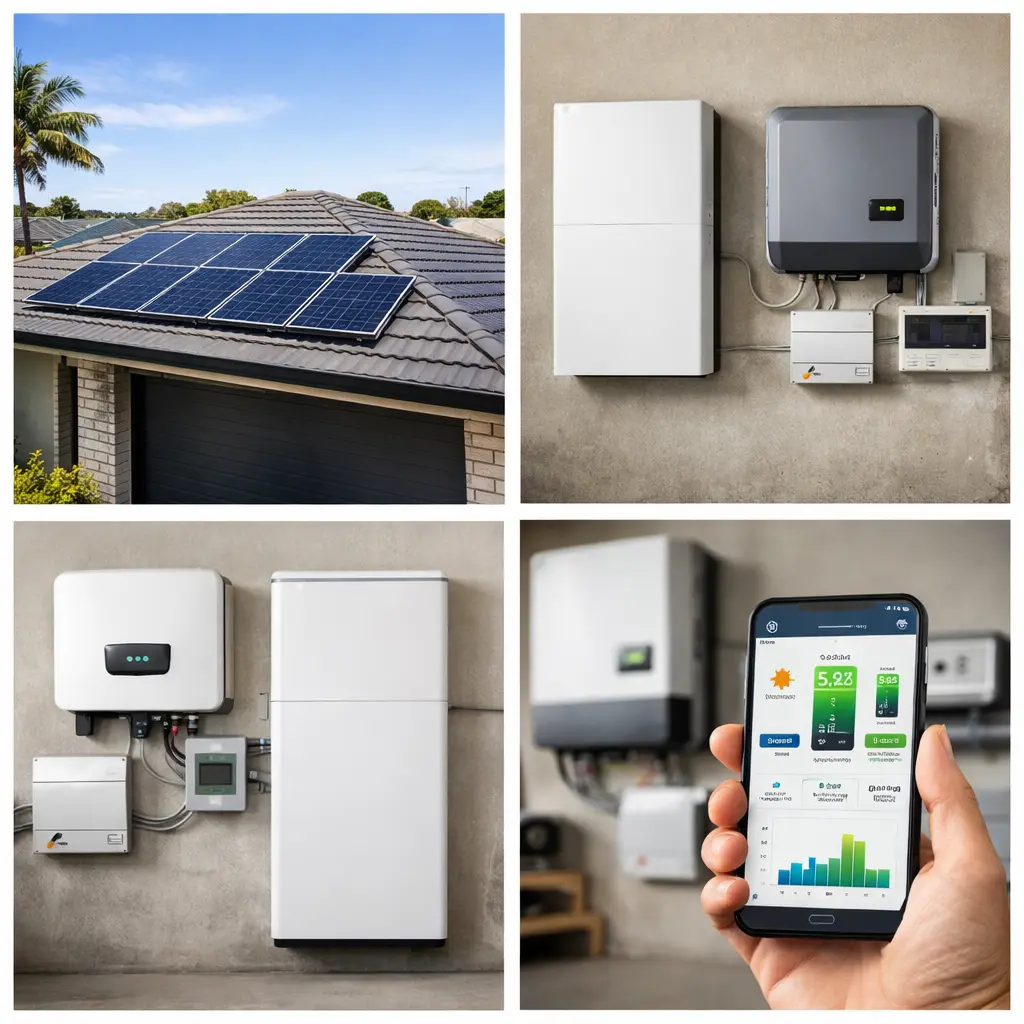
Australia’s rooftop solar market continues to evolve, and in 2026 the focus has shifted from simply installing panels to maximising how solar energy is used. With electricity prices rising and feed-in tariffs remaining relatively low, many households are asking whether adding a home battery is finally worth the investment.
While batteries were once considered an expensive luxury, they are increasingly becoming a practical tool for reducing evening electricity costs, improving energy independence, and supporting Australia’s evolving smart grid.
But are home batteries financially viable in 2026? The answer depends on household energy habits, tariff structures, and realistic expectations.
Why Home Batteries Are Becoming More Popular in Australia
Several major trends are pushing Australian homeowners toward solar storage:
- Higher evening electricity rates under Time-of-Use tariffs
- Low feed-in tariffs for exported solar energy
- Increased interest in blackout protection
- Growing adoption of electric vehicles
- More flexible battery incentive programs
Instead of exporting excess solar energy for minimal returns, households can store it and use it when electricity prices are highest.
Understanding Battery Incentives and Rebates in 2026
Battery incentives vary widely across Australia depending on federal programs, state initiatives, and electricity retailers.
Current trends include:
- Incentives that favour right-sized residential systems rather than oversized installations
- Gradual reduction of incentives over time
- Eligibility for both new solar installations and retrofits to existing systems
- Increased support for batteries participating in grid programs or demand-response schemes
Because programs change regularly, homeowners should confirm eligibility and timelines before making purchasing decisions.
The Real Financial Case: Cost vs Savings
The financial value of home batteries largely comes from the difference between export payments and evening electricity prices.
Typical scenario in Australia:
- Feed-in tariffs: around 5–10 cents per kWh
- Peak electricity rates: often 30–45 cents per kWh
Every kilowatt-hour stored and used during the evening can potentially save significantly more than exporting it during the day.
Estimated Payback Timeframes
- High energy users or EV households: approximately 4–6 years
- Average households: roughly 7–10 years
- Low usage households: longer payback periods
Actual results depend on system design, electricity plans, usage patterns, and participation in programs such as Virtual Power Plants.
Battery Technology in 2026: Why LFP Is Leading
Lithium Iron Phosphate (LFP) batteries have become increasingly common in Australian residential installations.
Key advantages include:
- Strong thermal stability and safety profile
- Long operational lifespan
- Reliable performance in Australia’s warm climate
- Lower degradation compared to some alternatives
While other lithium battery types still exist, many installers prefer LFP technology for residential applications due to durability and safety considerations.
Batteries and Australia’s Smart Grid
Home batteries are now part of a broader energy ecosystem that includes smart tariffs and grid management programs.
Managing Peak Electricity Costs
Many Australian electricity plans charge higher rates between late afternoon and evening. Smart battery systems can automatically:
- Store solar energy during the day
- Supply power during peak tariff windows
- Reduce dependence on expensive grid electricity
Backup Power During Outages
Modern battery systems can provide backup functionality for selected household circuits. While capabilities vary by system, common backup uses include:
- Lighting and refrigeration
- Internet and communication devices
- Essential household appliances
Backup performance depends on system configuration and installation.
Are Home Batteries Worth It in Australia in 2026?
Batteries are increasingly worthwhile for households that:
- Use significant electricity in the evening
- Own or plan to purchase an electric vehicle
- Want protection from rising electricity prices
- Experience frequent outages
- Already have a well-sized solar system
However, batteries may be less financially beneficial for households with very low electricity usage or those on low flat-rate electricity plans.
The key to good returns is correct system sizing, tariff selection, and realistic expectations.
Frequently Asked Questions (FAQ)
Can I add a battery to an existing solar system?
Yes. Many Australian homes retrofit batteries onto existing solar systems. Compatibility depends on inverter type and wiring configuration.
Do all solar batteries provide blackout protection?
No. Backup capability varies between systems and may require additional hardware or installation options.
What battery size is best for most homes?
Many households benefit from batteries around 10kWh to 15kWh, but ideal sizing should be based on actual energy consumption patterns.
Do battery rebates change over time?
Yes. Incentives often reduce gradually or shift toward grid-support programs, so checking current eligibility is important.
Can batteries reduce electricity bills?
They can help reduce bills by storing solar energy and using it during expensive evening tariff periods.
- By: web admin
- 0 comment